2026 Best High End Luggage Bags for Wholesale Buyers

Time:2026-10-15 Author:Henry
0%

The 2026 wholesale market is raising expectations for premium travel products. High End Luggage Bags must combine refined design, dependable performance, and measurable commercial value. Buyers now inspect more than polished photos. They examine shell strength, wheel movement, handle stability, lining quality, and zipper performance. Small details matter.

This guide evaluates luggage options through a practical wholesale lens. It considers materials such as polycarbonate, aluminum, recycled fabrics, and reinforced nylon. It also reviews factory experience, production consistency, customization support, minimum order quantities, lead times, and after-sales communication. A reliable supplier should provide clear specifications, realistic samples, quality-control records, and transparent packaging details. These points help buyers reduce surprises after placing larger orders.

Luxury appearance alone is not enough. A suitcase may look impressive under showroom lighting, yet fail after repeated airport handling. No shortlist is perfect. Supplier claims still require verification. Sample testing, independent inspections, and written agreements remain valuable, even when a factory appears highly professional. Wholesale buyers should also question whether premium features improve retail demand or simply increase the purchase price. The strongest choices balance visual appeal, travel durability, brand presentation, and sustainable profit margins. This overview offers a careful starting point for comparing the best High End Luggage Bags for wholesale purchasing in 2026. Expect useful benchmarks, but keep room for judgment. Market conditions, freight costs, and customer preferences can change quickly.
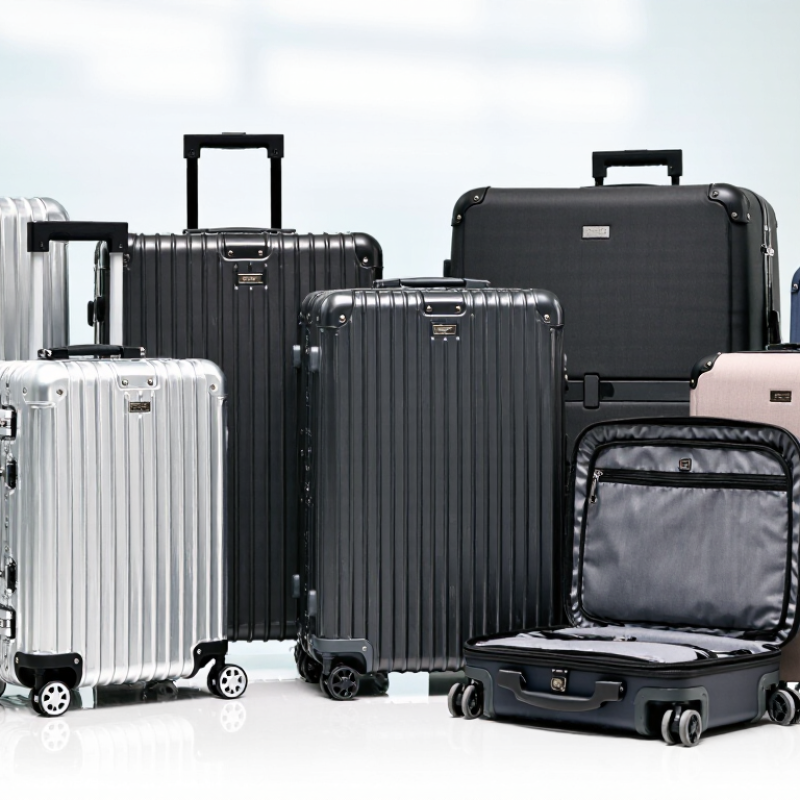
2026 Best High End Luggage Bags for Wholesale Buyers

High-End Luggage: Definition, Features, and Wholesale Value

High-end luggage is more than an expensive suitcase. It combines tested durability, refined materials, smooth handling, and dependable after-sales support. For wholesale buyers in 2026, quality should mean measurable performance, not only attractive packaging. Grand View Research estimates that the global luggage market reached about USD 22.7 billion in 2023, with continued growth expected through 2030. This suggests strong demand, but premium positioning still requires evidence.

Look for reinforced corners, quiet wheels, strong telescopic handles, and impact-resistant shells. Interior compression panels also improve packing efficiency. SITA’s 2024 Baggage IT Insights reported 6.9 mishandled bags per 1,000 passengers in 2023. Better construction can reduce customer complaints, although no luggage is truly damage-proof. That point is easy to overlook. Wholesale value also depends on consistent production, replaceable parts, clear warranty terms, and stable carton dimensions. These details affect returns, warehouse space, and long-term margins.

Tips: Request independent test records before placing a large order. Check wheel noise, zipper strength, handle wobble, and lining quality with physical samples. Compare landed cost instead of factory price alone. A slightly higher purchase cost may be reasonable when repairs and returns are lower. Still, suppliers can overstate testing results, so buyers should verify documents and inspect random units. Premium appearance alone does not guarantee premium performance.

Key Materials, Construction, and Luxury Design Standards

High-end luggage for wholesale buyers in 2026 will depend on material discipline, not decoration alone. Full-grain leather offers a rich hand feel and develops character through use. However, it can show scratches more easily than coated leather. Premium polycarbonate remains lighter and more impact-resistant for frequent travel. Recycled fabrics can support sustainability goals when their weave stays dense and abrasion-resistant.

Construction quality appears in the details. Check whether corner guards are firmly bonded and stitched. Zippers should glide without catching at curved sections. Telescopic handles need minimal side movement under load. Wheels should roll quietly across tile, carpet, and uneven warehouse floors. A reinforced frame also helps preserve shape after repeated handling. Small imperfections matter. A slightly uneven seam may become a serious failure point.

Luxury design should feel controlled, useful, and consistent. Clean panel lines, balanced proportions, and restrained hardware create a stronger premium impression than oversized decoration. Interior lining should resist tearing and remain easy to wipe clean. Compartments must hold garments without making the case unnecessarily heavy. Wholesale buyers should request material samples, construction specifications, and pre-shipment inspection records. Photographing stress points during testing creates useful evidence for later quality reviews. Do not trust appearance alone. One polished sample can hide inconsistent production across a larger order. This is where careful sampling, realistic testing, and honest supplier communication protect both margin and customer trust.

2026 Best High End Luggage Bags for Wholesale Buyers - Key Materials, Construction, and Luxury Design Standards

Indicative product-planning benchmarks for premium and luxury luggage programs. Measurements and weights are typical target specifications and should be verified through supplier samples and laboratory testing.

Luggage Category Recommended Shell or Body Material Typical External Size Target Weight Construction Standard Hardware and Mobility Luxury Design Standard Wholesale MOQ Range Best Use Case
Cabin Spinner Virgin polycarbonate shell, approximately 3.0–3.5 mm in high-stress zones Approximately 55 × 36 × 23 cm; usually suitable for major international cabin-size limits 2.7–3.5 kg Full shell with reinforced corner zones, double-sided lining, compression panel, and separate zippered compartment Four recessed double wheels, telescopic aluminum handle, lockable coil zipper, and integrated combination lock Uniform fine texture, low-gloss finish, color-matched trim, concealed stitching, and minimal exterior branding area 300–1,000 units per color Short business trips and premium retail sets
Medium Check-In Spinner Impact-resistant polycarbonate or polycarbonate-ABS blend with a reinforced frame Approximately 66 × 44 × 28 cm; 65–75 L internal capacity 3.8–4.8 kg Deep draw shell, reinforced wheel mounts, full perimeter piping, compression straps, and washable lining 360-degree double wheels, 2-stage or 3-stage trolley system, replaceable wheel housings, and TSA-compatible lock Balanced proportions, scratch-reducing microtexture, premium zipper pulls, and coordinated interior organization 300–800 units per color One-week travel and coordinated luggage collections
Large Check-In Spinner Virgin polycarbonate or lightweight aluminum-polycarbonate hybrid construction Approximately 76 × 51 × 31 cm; 95–115 L internal capacity 4.8–6.2 kg Reinforced base, corner protection, stress-tested wheel attachments, and high-strength divider system Oversized double wheels, durable telescopic handle, protective corner caps, and security-compatible lock Stable upright stance, refined edge geometry, premium lining, and restrained metal detailing 200–600 units per color Long-haul travel and premium family sets
Aluminum Frame Case Aircraft-grade aluminum alloy panels with a rigid aluminum frame Approximately 55 × 38 × 23 cm for cabin size; 35–42 L capacity 4.0–5.5 kg Riveted or mechanically fastened frame, replaceable corner guards, compression straps, and moisture-resistant lining Recessed latches, four dual-bearing wheels, reinforced carry handles, and integrated combination locks Brushed or anodized finish, consistent panel gaps, precision-machined fittings, and visible material authenticity 100–400 units per finish Executive travel and luxury gifting
Softside Executive Case High-density recycled polyester or nylon with a polyurethane-coated exterior Approximately 55 × 36 × 23 cm; 35–45 L capacity 2.6–3.8 kg Bar-tacked load points, structured frame, padded laptop section, garment panel, and water-resistant lining Quiet spinner wheels, reinforced top and side handles, telescopic trolley, and lockable zippers Clean panel alignment, leather-free premium trim options, matte hardware, and discreet organization pockets 300–1,000 units per color Business travel and commuter-focused collections
Garment Case Ballistic nylon, high-density polyester, or recycled woven fabric with a protective coating Approximately 55 × 38 × 24 cm when closed; 35–55 L capacity 2.8–4.0 kg Three-fold garment construction, padded hanger zone, wrinkle-control straps, shoe compartment, and reinforced seams Two-wheel or spinner base, telescopic handle, detachable shoulder strap, and lockable main zipper Structured silhouette, low-profile hardware, tonal interior, and crease-resistant garment organization 200–800 units per color Suits, dresses, formalwear, and corporate travel
Luxury Duffel Bag Full-grain or top-grain leather, premium canvas, or recycled nylon with leather-free trim options Approximately 50 × 30 × 25 cm; 35–45 L capacity 1.2–2.2 kg Reinforced base, bonded or bound seams, padded handles, removable shoulder strap, and metal feet Heavy-duty metal zipper, adjustable strap hardware, protective base studs, and trolley sleeve Even grain or fabric texture, edge-painted trim, consistent stitch spacing, and polished or satin-finished hardware 100–500 units per color Weekend travel and premium lifestyle collections
Wheeled Duffel Coated nylon or polyester with a reinforced ballistic base and abrasion-resistant panels Approximately 65 × 35 × 32 cm; 60–80 L capacity 3.2–4.8 kg Internal frame, load-distributing base, reinforced wheel tunnels, compression straps, and large-access opening Quiet inline or spinner wheels, telescopic handle, padded grab handles, and lockable main compartment Streamlined profile, balanced carry points, tonal branding zones, and premium waterproof zipper options 200–800 units per color Sport-luxury travel and extended trips
Underseat Travel Bag Recycled polyester or nylon with a polyurethane backing and padded structural inserts Approximately 40 × 30 × 20 cm; 20–28 L capacity 1.0–1.8 kg Structured base, padded electronics sleeve, quick-access pocket, compression system, and trolley sleeve Two smooth wheels or wheel-free carry design, padded handle, and lockable zipper pulls Compact proportions, refined lining, concealed seams, and coordinated hardware with larger luggage pieces 300–1,200 units per color Personal item, commuter travel, and cabin pairing
Premium Travel Backpack High-tenacity recycled nylon, coated canvas, or full-grain leather accents Approximately 45 × 30 × 18 cm; 22–30 L capacity 0.9–1.6 kg Padded back panel, load-bearing shoulder straps, laptop compartment, luggage sleeve, and reinforced bottom Water-resistant zippers, adjustable sternum strap, padded grab handle, and concealed security pocket Ergonomic structure, minimal exterior pockets, tonal trims, clean edge binding, and high-quality lining 300–1,000 units per color Urban business travel and hybrid commuting
Luxury Carry-On Trunk Aluminum alloy shell or rigid polycarbonate with a reinforced internal frame Approximately 55 × 40 × 25 cm; 45–55 L capacity 4.5–6.5 kg Rigid frame, full interior divider, compression straps, reinforced corners, and high-load wheel attachments Premium latches, double spinner wheels, telescopic handle, carry handles on multiple sides, and combination locks Architectural silhouette, precise frame alignment, premium tactile surfaces, and coordinated metal finishes 100–400 units per finish Statement pieces and luxury travel capsules
Modular Luggage Set Matched polycarbonate shells combined with coated textile accessories Cabin, medium, and large sizes; approximately 35–115 L combined capacity 7.5–14.0 kg per three-piece set Consistent shell geometry, interchangeable accessory system, unified lining, and standardized replacement parts Compatible wheel and handle components, coordinated locks, and nesting or storage capability Consistent color calibration, unified trim language, size-proportional detailing, and premium presentation packaging 200–600 sets per color Complete retail programs and seasonal collections
Recommended buyer checks: verify shell thickness, wheel-cycle performance, handle load testing, zipper durability, seam strength, coating adhesion, color consistency, recycled-content documentation where applicable, packaging dimensions, spare-parts availability, and compliance with the destination market's luggage and chemical-safety requirements.

Top High-End Luggage Types for Wholesale Buyers in 2026

High-end luggage for wholesale buyers in 2026 covers several distinct product types. Aluminum cases attract customers who value structure, security, and a premium appearance. Premium polycarbonate cases offer lower weight, impact resistance, and clean modern styling. Softside luggage remains practical for travelers needing expandable storage and exterior pockets. Garment cases serve business travelers, while spacious trunk cases suit longer journeys and family purchases.

In wholesale sampling, I examine wheel movement on rough floors, not only showroom tiles. Dual-spinner wheels should roll quietly and remain stable under loaded conditions. Telescopic handles need smooth locking points and limited side movement. Reinforced corners, water-resistant zippers, and washable linings also affect long-term value. Interior compression panels are useful, but excessive hardware can reduce packing space. Wholesale buyers should compare cabin, medium, and large sizes as coordinated sets.

A strong sample can still hide weaknesses. One attractive case I reviewed had excellent stitching but a fragile handle button. That detail changed the order decision. Buyers should request drop tests, wheel-cycle testing, fabric abrasion results, and clear repair policies. Material consistency matters across different production batches. Color matching may also vary slightly. That deserves honest checking. Price should reflect components, inspection standards, packaging, and expected return rates, rather than appearance alone.

How to Evaluate Suppliers, Quality, and Customization Options

For 2026 wholesale planning, high-end luggage begins with supplier evidence, not polished photos. Request company registration, export history, factory location, and recent production records. Ask who controls cutting, stitching, assembly, and final inspection. A video tour helps, but an independent audit is stronger. Check whether the supplier explains defects honestly. Vague answers often predict costly delays. Real experience matters. A reliable partner shares measurable standards before requesting a large order.

Evaluate a pre-production sample before discussing volume. Inspect wheel alignment, handle movement, zipper resistance, corner protection, lining seams, and shell recovery. Pack it with realistic weight and roll it across uneven flooring. Test telescopic handles repeatedly. Record failures with photos and measurements. Ask for material specifications, abrasion results, and replacement-part availability. Small details expose quality. Still, one sample cannot represent every batch, so approve a limit sample and schedule in-line checks.

Customization should be controlled, not merely promised. Confirm logo methods, colors, dimensions, packaging, labels, and minimum order quantities in a signed specification sheet. Request a digital proof and physical sample before production. Clarify mold ownership, revision fees, lead times, and shipment tolerances. Avoid accepting “premium” as a quality standard. Define it. No inspection plan is perfect. Attractive prototypes can hide weak wheel mounts. Buyers should leave room for rework, because rushing approval can damage an otherwise strong launch.

Wholesale Pricing, Order Planning, and Market Selection Criteria

For 2026, high-end luggage wholesale buyers need pricing beyond the factory quote. I compare product cost, packaging, freight, duties, inspection, and payment terms before approving a target margin. A low unit price can hide expensive returns or weak after-sales support. My earlier forecasts were too optimistic when freight rates changed suddenly.

Request tiered pricing for sample orders, trial quantities, and larger commitments. Confirm the minimum order quantity, production lead time, deposit schedule, and price validity period. A practical opening order may include several sizes, neutral colors, and a limited number of premium finishes. This reduces inventory risk while testing customer response. Keep a written record of every specification.

Market selection should match local buying habits and climate. Business travelers may value quiet wheels, reinforced corners, and organized interiors. Frequent international travelers may prefer lightweight shells and secure expansion systems. Check handle strength, wheel performance, zipper consistency, lining quality, and scratch resistance through physical samples. Ask for material details, test reports, warranty terms, and traceable quality records. Do not rely on polished photos alone.

Order planning works better with clear sales data. Review seasonal demand, retailer feedback, storage capacity, and expected replenishment speed. Build a small reserve for replacements, but avoid excessive stock. Demand shifts quickly. Not always predictably. A reliable supplier should explain delays honestly and provide inspection access before shipment. That matters more than impressive promises.

FAQS

What high-end luggage types should wholesale buyers consider in 2026?

Aluminum cases offer structure, security, and a premium appearance. Polycarbonate cases reduce weight and resist impacts. Softside luggage adds expansion space and exterior pockets. Garment cases suit business travelers. Trunk cases fit longer journeys and family purchases.

How should buyers test luggage wheels?

Roll samples across rough flooring, not only smooth showroom tiles. Check whether dual-spinner wheels stay quiet and stable under realistic weight. Watch for wobbling, scraping, or sudden direction changes. A short test may miss later failures.

What handle details deserve close inspection?

Extend and retract telescopic handles repeatedly. Check locking points, side movement, and button strength. One attractive sample had excellent stitching but a fragile handle button. That small defect changed the order decision.

Which construction features affect long-term luggage value?

Inspect reinforced corners, water-resistant zippers, and washable linings. Compression panels can improve packing control. Too much hardware may reduce usable space. Test zipper resistance with a fully packed case.

What supplier evidence should wholesale buyers request?

Request registration details, export history, factory location, and recent production records. Ask who manages cutting, stitching, assembly, and final inspection. A factory video helps. An independent audit offers stronger evidence.

Is one pre-production sample enough for approval?

No. One sample cannot represent every production batch. Approve a limit sample and schedule in-line inspections. Record measurements, photos, and test results. This still cannot remove every production risk.

How can buyers evaluate customization properly?

Confirm logos, colors, dimensions, packaging, labels, and minimum order quantities. Use a signed specification sheet. Request a digital proof and physical sample before production. Clarify mold ownership, revision fees, lead times, and shipment tolerances.

How should buyers compare wholesale luggage prices?

Compare materials, components, inspections, packaging, repair support, and expected return rates. Do not judge price from appearance alone. Ask about replacement parts and repair policies. Cheap approval can become expensive later.

Conclusion

This guide to High End Luggage Bags for wholesale buyers in 2026 explains what defines premium luggage and why it offers strong value in competitive markets. It examines essential features such as durable materials, reinforced construction, smooth mobility, secure organization, refined finishes, and consistent quality. It also outlines luxury design standards, including balanced proportions, practical functionality, elegant detailing, and customization potential for different customer groups.

The article reviews leading luggage categories suitable for wholesale, from lightweight hard-shell cases and soft travel bags to business luggage, expandable designs, and coordinated travel sets. It also provides practical guidance for evaluating suppliers, production quality, sample performance, customization services, packaging, and communication. Finally, it discusses wholesale pricing, minimum order planning, inventory control, target-market selection, and long-term value, helping buyers choose reliable products that combine sophisticated design, dependable performance, and profitable purchasing decisions.


Henry

Henry

Henry is a dedicated marketing professional with a profound expertise in the company's offerings. With years of experience in the industry, he possesses an impressive understanding of the market dynamics and consumer behaviors that drive success. Henry is committed to sharing his insights through......