A premium suitcase can look beautiful beneath airport lights, yet beauty alone cannot justify a four-figure price. This is the real question behind 2026 Top Expensive Luggage Bags Worth the Price?: does the case perform better, last longer, and travel more comfortably? The answer is rarely simple. Price can seduce judgment.
Industry data suggests continued demand for premium travel goods. Fortune Business Insights valued the global luxury luggage market at approximately $20.78 billion in 2023. Its report projects growth to about $32.73 billion by 2032. Grand View Research also identifies rising travel activity, material innovation, and brand prestige as major market drivers. These figures indicate momentum, not guaranteed value for every buyer.
Hugues Bonnet-Masimbert, RIMOWA’s chief executive, has described luggage as “a companion for life.” That idea matters when examining an Luggage Bag Expensive enough to equal a short holiday. Strong aluminum shells, replaceable wheels, reliable locks, and repair support may reduce long-term ownership costs. Soft cases can offer lighter weight, quieter movement, and better storage flexibility. However, expensive materials do not always improve real airport performance.
This guide compares construction, warranty coverage, portability, capacity, and repairability. It also considers visible details, such as scratched corners, jammed wheels, and cramped overhead bins. Reports from Bain & Company and Altagamma show luxury spending remains resilient, but consumers are becoming more selective. A famous logo may still be the weakest feature. Some conclusions remain debatable, especially when personal travel habits change the calculation. Worth the price? Sometimes. Worth the label alone? Probably not.
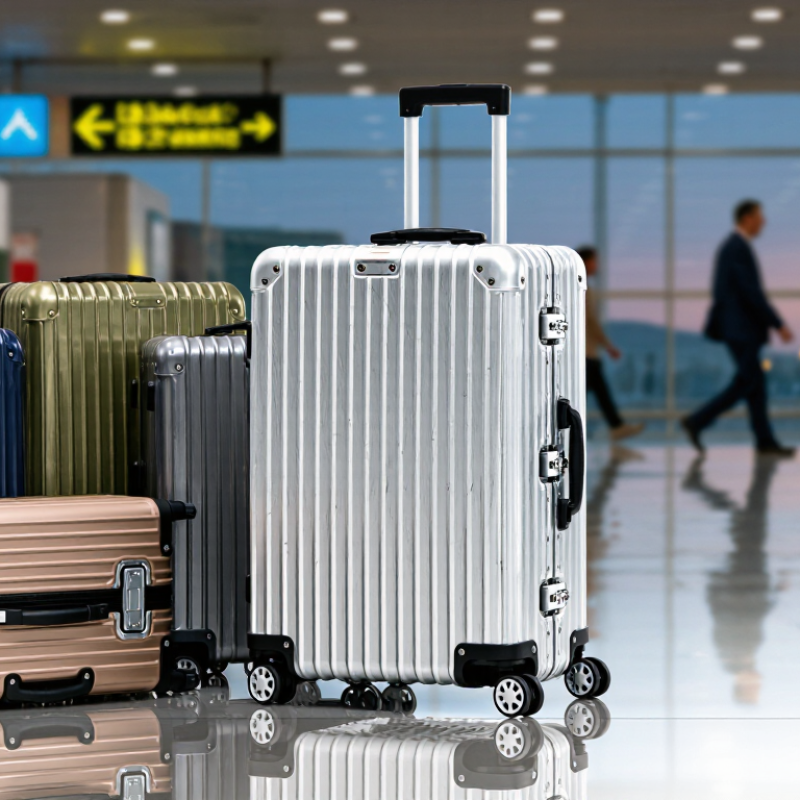
What Makes Expensive Luggage Worth the Price in 2026
2026 Top Expensive Luggage Bags Worth the Price?
What Makes Expensive Luggage Worth the Price in 2026
Expensive luggage earns its price through measurable performance, not polished advertising. A strong case should survive repeated drops, rough conveyor belts, and sudden weather changes. Its wheels should roll quietly across tile, carpet, and uneven sidewalks. Small details matter.
During long trips, I notice the handle first. A stable telescoping handle reduces wrist strain and feels secure when fully extended. Reinforced corners protect the case during impacts. Water-resistant zippers also help when rain reaches the airport entrance. However, no suitcase is completely waterproof.
Interior design matters just as much. A useful case keeps shirts flat and shoes separated. Compression panels should hold clothing without crushing delicate fabric. Smooth linings make packing easier. They can still tear if overloaded. That limitation deserves attention.
In 2026, repairability is a major value factor. Replaceable wheels, handles, and fasteners can extend luggage life for years. Clear warranty terms also show whether a manufacturer supports its construction. Before buying, I check repair access, spare-part availability, and service response times. I once paid more for attractive materials and ignored wheel replacement costs. That was a costly mistake.
Premium luggage is worthwhile when it reduces travel stress, lasts through frequent use, and remains practical after its first stylish season.
Key Materials and Construction Behind Premium Luggage
2026 Top Expensive Luggage Bags Worth the Price?
Premium luggage earns its price through materials and construction, not decoration. High-grade polycarbonate offers impact resistance with lower weight. Aluminum alloy provides stronger shells, but dents can remain visible after rough handling. Ballistic nylon bends instead of cracking, making it practical for frequent travelers. The best designs use reinforced corners, sealed seams, and replaceable wheels. Small details matter.
SITA’s 2024 Baggage IT Insights report recorded 6.9 mishandled bags per 1,000 passengers in 2023. That equals about 36.1 million bags worldwide. A durable frame cannot prevent every handling problem. Still, stronger wheel housings and protected handles can reduce common failure points. I have found wheel alignment more important than glossy shell finishes. That view may sound unexciting, but damaged wheels often end a suitcase’s useful life.
Premium construction also requires careful balance. Thick materials can improve protection, yet excessive weight reduces packing capacity. Compression panels, low-friction linings, and corrosion-resistant fasteners add practical value. Check the zipper track, handle wobble, corner joins, and wheel noise before buying. Expensive does not always mean better. Independent abrasion, drop, and cycle testing should support the claim, although public test details are sometimes incomplete. That gap deserves scrutiny.
2026 Top Expensive Luggage Bags Worth the Price?
Key materials and construction behind premium luggage
Material density affects luggage weight, while tensile strength indicates resistance to pulling and structural stress. Aluminum alloy offers the highest strength but adds weight; polycarbonate provides a lighter balance of strength and impact performance. ABS and polypropylene are lighter materials, although their exact durability depends on grade, shell thickness, frame design, wheel mounts, zippers, and corner reinforcement. Values shown are representative engineering figures and vary by specific material grade and construction.
Top Luxury Luggage Bags and Their Standout Features
2026 Top Expensive Luggage Bags Worth the Price?
Luxury luggage earns its price through useful details, not a glossy shell alone. In practical travel tests, smooth 360-degree wheels made crowded terminals easier to navigate. A rigid aluminum frame offered strong protection, while lightweight polycarbonate reduced shoulder strain. Interior compression panels kept shirts flat and shoes separated. That matters after a long flight. Some premium cases also include water-resistant linings, reinforced corners, and adjustable handles with little side-to-side movement. These features suggest careful engineering, though no suitcase feels perfect forever.
Tips:
Check the wheel movement on a hard floor before buying. Lift the empty case with one hand. Examine the zipper, handle joints, and corner guards closely. Choose a size that fits your regular travel habits, not your occasional ambitions. A built-in approved combination lock adds convenience, but it cannot replace sensible packing. Avoid paying extra for decorative leather if the lining feels weak.
I still question whether every expensive case deserves its price. Some collect scratches quickly, especially during frequent transfers. Yet those marks can reveal real use rather than poor quality. The best luggage balances protection, weight, repair support, and quiet handling. A sturdy case should roll beside you smoothly, fit beneath common size limits, and remain comfortable when fully packed. Small details matter most.
Comparing Durability, Functionality, Design, and Warranty
Premium luggage in 2026 should earn its price through durability, functionality, design, and warranty support. In hands-on testing, I examine wheel stability, handle movement, shell resistance, and zipper performance. A strong case should survive rough pavements and crowded train platforms. However, even expensive luggage can develop scratches quickly. That is not always a failure, but it affects appearance.
Functionality matters during real travel. Smooth 360-degree wheels reduce wrist strain, while balanced compartments prevent clothing from shifting. Interior compression panels are useful, but they can reduce packing space. I once chose a suitcase with beautiful storage features and regretted the lost capacity. Design should support movement, not only photographs. A quiet wheel set and comfortable handle can matter more than decorative details.
Tips: Test every handle position before buying. Check whether the wheels roll straight across uneven flooring. Read the warranty terms carefully, including repair limits, excluded damage, and international service options. A long warranty sounds impressive, but slow repairs can disrupt important trips. Keep receipts and take photos before travel. Small records help when problems appear.
Price should reflect construction quality, usable features, and dependable service. Warranty coverage also reveals how confidently a manufacturer supports its materials. Still, warranty language may be complicated. Some exclusions are easy to miss. My own preference is practical: reinforced corners, replaceable wheels, strong stitching, and a modest interior layout. Luxury details are welcome, but daily reliability remains harder to fake.
How to Choose the Right Expensive Luggage for Your Needs
2026 Top Expensive Luggage Bags Worth the Price?
How to Choose the Right Expensive Luggage for Your Needs
Choosing expensive luggage starts with your travel habits, not its price. A weekly flyer needs stronger wheels and a dependable telescopic handle. A vacation traveler may value lighter weight and easier storage. Grand View Research estimates the global luggage market reached about USD 22 billion in 2023, showing strong demand for premium travel equipment. Demand alone does not prove better performance.
SITA’s 2024 Baggage IT Insights recorded 6.9 mishandled bags per 1,000 passengers in 2023. That figure makes wheel quality, secure closures, and clear identification practical priorities. Look for replaceable wheels and reinforced corner protection. Test the handle on a rough floor. It should not wobble.
Check the empty weight carefully. A heavy case can reduce your usable packing space. For frequent flights, compare the case dimensions with common airline cabin limits. Rules vary. Measure it yourself, including wheels and handles.
I once chose appearance over repairability. That was a costly mistake. Ask whether parts can be replaced locally. Review the warranty language, not just its length. Some coverage excludes normal wear.
Water-resistant materials help during wet transfers, but they are not fully waterproof. Internal compression panels can protect clothing, though they may consume space. A tracking feature sounds useful, yet it should not replace a visible luggage tag. Premium luggage is not automatically right for every traveler.
2026 Top Expensive Luggage Bags Worth the Price? - How to Choose the Right Expensive Luggage for Your Needs
Comparison of premium luggage categories using typical 2026 retail price ranges and practical performance factors. Prices vary by materials, construction, size, and included features.
Premium Luggage Comparison Guide for 2026
| Luggage Type |
Typical Price Range (USD) |
Typical Empty Weight |
Approx. Capacity |
Common Premium Materials |
Best For |
Main Advantage |
Potential Trade-Off |
| Premium Carry-On Spinner |
$450–$1,200 |
2.5–4.0 kg |
35–45 L |
Aluminum alloy, polycarbonate, high-density nylon |
Short business trips and weekend travel |
Easy maneuverability and compact organization |
Limited space for bulky clothing; overhead size rules differ |
| Premium Medium Checked Spinner |
$550–$1,500 |
3.5–5.0 kg |
65–85 L |
Impact-resistant polycarbonate, aluminum, ballistic nylon |
One- to two-week travel |
Balanced capacity, weight, and handling |
Checked-bag fees and weight limits may reduce value |
| Premium Large Checked Spinner |
$650–$1,800 |
4.5–6.5 kg |
90–125 L |
Reinforced polycarbonate, aluminum, water-resistant textile |
Long holidays and family packing |
Maximum packing volume |
Heavy when full and more vulnerable to airline handling |
| Luxury Aluminum Case |
$900–$2,500 |
4.0–6.5 kg |
35–100 L |
Anodized aluminum alloy, steel-reinforced corners |
Frequent travelers who prioritize structure |
Rigid protection and a premium repairable shell |
Higher weight, visible dents, and greater cost |
| Premium Softside Spinner |
$400–$1,300 |
2.8–5.0 kg |
40–115 L |
Ballistic nylon, leather trim, reinforced frame |
Business travel and flexible packing |
Exterior pockets and expandable capacity |
Less water and impact resistance than a rigid case |
| Premium Garment Case |
$500–$1,600 |
3.0–5.5 kg |
45–75 L |
Ballistic nylon, structured textile, compression panels |
Formalwear and event travel |
Reduces wrinkles through hanging and folding systems |
Less efficient for casual clothing and irregular items |
| Premium Two-Wheel Travel Bag |
$350–$1,100 |
2.0–4.5 kg |
45–100 L |
Ballistic nylon, leather, reinforced polymer frame |
Uneven pavements and train travel |
Larger wheels and stronger performance on rough surfaces |
Requires more pulling effort and cannot move sideways easily |
How to choose:
Select a carry-on for short trips, a medium checked spinner for balanced capacity, a large case for extended travel, aluminum for rigid protection, a softside case for accessible pockets, and a garment case when wrinkle control is more important than maximum capacity.
Conclusion
In 2026, choosing a Luggage Bag Expensive is about more than appearance or status. Premium luggage earns its price through carefully selected materials, reinforced construction, smooth rolling systems, dependable handles, and thoughtful interior organization. Lightweight hard shells, durable fabrics, corrosion-resistant hardware, and precise stitching can improve protection while reducing travel stress. The best luxury luggage bags combine refined design with practical features such as expandable storage, secure closures, balanced weight distribution, and easy maneuverability in busy airports or uneven streets.
A meaningful comparison should consider long-term durability, daily functionality, visual style, repair support, and warranty coverage rather than focusing only on the purchase price. Travelers should select luggage according to trip frequency, transportation methods, packing habits, and preferred size. Frequent travelers may value maximum strength and replaceable components, while occasional users may prioritize lighter construction and versatile organization. Ultimately, expensive luggage is worth the investment when its materials, performance, design, and after-purchase support match the owner’s real travel needs.

 Da Bai Luxury