In the ever-evolving world of travel fashion, the "Designer Travel Bag Set" stands out as a coveted choice for globetrotters. Experts like Samantha Lee, a renowned travel accessory designer, emphasize, “A well-crafted bag set can elevate your travel experience.” Her insights resonate with many buyers seeking both functionality and style in their luggage.
The right bag set combines practicality with luxury. Travelers now demand quality materials and unique designs. A well-thought-out Designer Travel Bag Set fulfills this need while reflecting personal style. The ideal set includes a spacious main bag, a handy carry-on, and chic accessories. Yet, not all sets are created equal; some may lack durability or fail aesthetically.
Buyers should consider their specific needs and travel habits. A bag that works well for a weekend getaway may not suit international journeys. The search for the perfect Designer Travel Bag Set can be daunting. However, prioritizing quality and design often leads to a satisfying purchase.
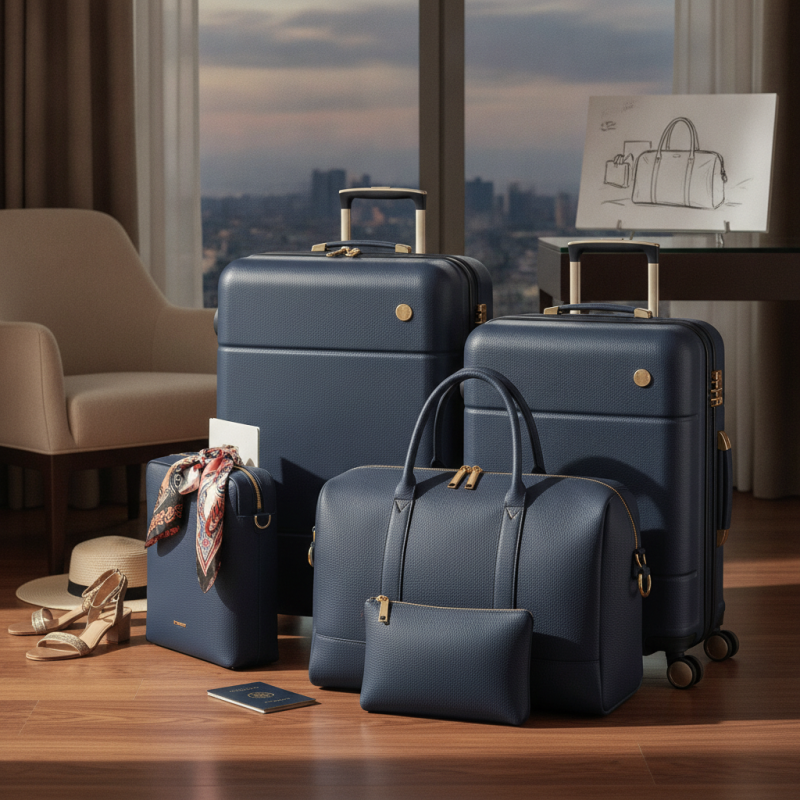
The travel bag industry has seen notable shifts in consumer preferences recently. According to a market report, the global travel bag market is projected to reach $29 billion by 2025, indicating an increasing demand for high-quality designer travel bags. Modern travelers prioritize functionality without compromising style. They are looking for bags that are spacious yet lightweight, durable yet trendy.
One key trend is the rise of sustainable materials. Many buyers express a strong preference for bags made from eco-friendly fabrics. This reflects a broader awareness around environmental impact, driving brands to innovate. A survey showed that 70% of consumers are willing to pay more for sustainable options. However, the market still lacks consistent transparency regarding the sourcing and durability of these materials.
Another interesting shift is the use of technological enhancements in travel bags. Smart features, like built-in charging ports and GPS tracking, are becoming more commonplace. While these add value, not all brands keep pace with performance reliability. Consumers often find that the practicality of these features can diminish over time, leading to some disappointment. As the market evolves, continuous innovation is necessary to meet these emerging demands.
When choosing a designer travel bag set, consider essential features that enhance both style and functionality. Look for durable materials that resist wear. A good bag should withstand various travel conditions while remaining stylish. Opt for fabrics that are easy to clean and maintain, as this keeps your bags looking fresh.
Sizing matters significantly. A well-designed travel bag set typically includes a carry-on, a checked bag, and a smaller weekend bag. This versatility allows for a wide range of travel needs. Make sure the bags offer ample space without sacrificing compactness. Dead weight can hinder mobility, so choose lightweight options that don’t compromise on quality.
Tips: Always check the bag's interior organization. Pockets and compartments help keep your belongings tidy. Consider adjustable straps for added comfort. Remember to reflect on your travel habits. Review how often and where you travel to ensure your bags match your lifestyle. Investing in a good designer travel bag set is often a journey of trial and error. Choosing the right features can make all the difference.
The travel bag market has shown remarkable growth in recent years. According to a recent report, the global travel bags market is projected to reach $23 billion by 2028, reflecting an annual growth rate of 6%. This expansion highlights the increasing demand for high-quality designer travel bags, favored by consumers worldwide.
Leading brands represent a significant share of the market. A recent analysis indicated that the top three brands collectively hold around 45% of the market. While their dominance showcases their design innovation, there is a growing segment of boutique brands gaining traction. These smaller businesses appeal to consumers seeking unique designs and sustainability.
One area for improvement lies in the pricing strategies of top brands. Many consumers perceive them as overpriced. Additionally, the environmental impact of production remains a concern. As buyers become more eco-conscious, brands must adapt to these changing expectations. It is vital for established names to utilize eco-friendly materials and transparent manufacturing processes to stay relevant in this dynamic market.
Recent surveys reveal pivotal insights into consumer preferences for travel bags. Many travelers seek durability and functionality first. They want bags that can withstand varying conditions. Consumers prioritize lightweight materials that ease the burden when journeys extend.
A significant number of respondents mention style as a key factor. They desire bags that reflect their personal tastes. However, there is a concern about balancing aesthetics and practicality. The design must accommodate easy access and organization. Some travelers find compartments in bags insufficient for their essentials. This gap highlights a need for ongoing innovation in travel bag design.
Price is another critical aspect. Many survey participants express discomfort with high-end designer tags. While they appreciate quality, many also seek value for money. This reflects a cautious approach in today’s economic climate. Brands should focus on achieving an equilibrium between luxury and affordability. Insights from these surveys can guide brands in refining their offerings to better meet consumer demands.
Sustainability in designer travel bags has become a crucial topic. Many consumers now prioritize eco-friendly options when shopping. This shift reflects a broader awareness of environmental issues. As a result, designers are rethinking materials and production processes. They are exploring alternatives like recycled fabrics and biodegradable materials. This approach not only reduces waste but also minimizes the carbon footprint.
However, creating sustainable travel bags comes with challenges. Sourcing ethical materials can be costly and complex. Many companies still struggle to balance style and sustainability. Consumers may hesitate to choose these options due to higher price points. There's a need for continuous education about the benefits of sustainable products. Addressing consumer skepticism is essential for the industry’s growth.
The impact of sustainable practices can be profound. When designers commit to environmentally friendly methods, they inspire others to follow suit. Creating awareness is key to driving change in consumer behavior. Thoughtful innovation can pave the way for a greener future in the travel industry. As the market evolves, brands must remain adaptable and transparent in their journey towards sustainability.
| Bag Type | Material | Eco-friendly Features | Price Range ($) | Sustainability Rating |
|---|---|---|---|---|
| Weekender Bag | Recycled PET Canvas | Water-resistant, Reusable | 150 - 300 | 4.5 |
| Rolling Luggage | Organic Cotton | Biodegradable, Fair-trade | 250 - 500 | 4.8 |
| Backpack | Hemp Fabric | Durable, Recyclable | 75 - 150 | 4.2 |
| Tote Bag | Biodegradable Leather | Cruelty-free, Sustainable | 100 - 250 | 4.6 |
| Duffle Bag | Recycled Nylon | Lightweight, Water-repellent | 120 - 220 | 4.7 |
: Look for durability, lightweight materials, and ease of cleaning. These features enhance both style and functionality.
Size matters for versatility. A good set usually includes a carry-on, checked bag, and a weekend bag.
Pockets and compartments keep belongings tidy. Without them, you may struggle to find your essentials quickly.
Most prioritize durability, functionality, and lightweight materials. They seek bags that can handle various travel conditions.
Yes, many want bags that reflect personal taste. However, they also value practicality over aesthetics.
Many express discomfort with high prices. They appreciate quality but often seek more affordable options.
Yes, consumers increasingly prioritize sustainability and eco-friendly options in their purchasing decisions.
Sourcing ethical materials can be complex and costly. Balancing style with sustainability remains a significant challenge.
Continuous education about the benefits and transparency about sourcing methods can help address skepticism.
Committing to sustainability can inspire others. It creates awareness and encourages a shift toward eco-friendly consumer behavior.
The article "Best Designer Travel Bag Set for Global Buyers Now?" explores the rising global demand for high-quality designer travel bag sets, highlighting the key trends that are shaping the market. One of the main focuses is on the essential features consumers should consider when selecting designer travel bags, such as durability, style, and functionality.
Additionally, a comprehensive market analysis reveals the leading brands and their respective market shares, providing insights into the competitive landscape. Recent surveys shed light on consumer preferences, identifying a shift towards sustainable practices in the production of designer travel bag sets. This growing emphasis on sustainability underscores the evolving values of consumers who are increasingly seeking eco-friendly options in their travel accessories.

Da Bai Luxury