10 Best Luggage Exclusive Suppliers for Global Buyers

Time:2026-10-29 Author:Ethan
0%

Global travel is recovering, and luggage buyers are planning for real demand—not just optimistic forecasts. UN Tourism reported 1.4 billion international tourist arrivals in 2024, reaching 99% of 2019 levels. Grand View Research estimated the global luggage market at USD 36.4 billion in 2023 and projected continued growth through 2030. These figures suggest opportunity, but they do not guarantee that every supplier can deliver consistent quality or dependable lead times.

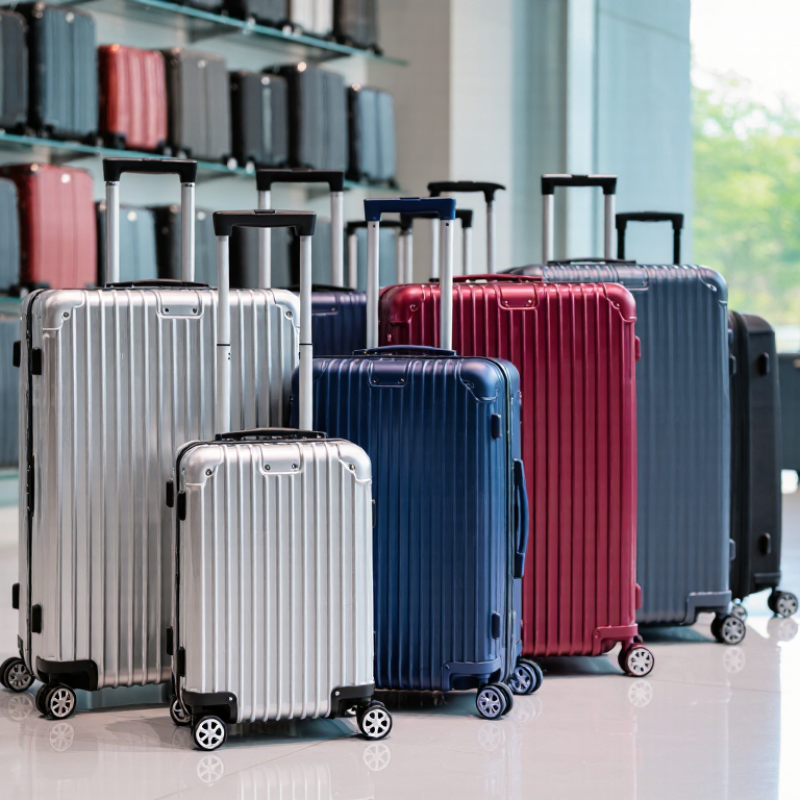
That is where Luggage Exclusive sourcing becomes a practical test. Buyers need to compare materials, wheel durability, zipper performance, sample accuracy, production capacity, and communication before committing to an order. A hard-shell case should roll smoothly across a showroom floor; its handle should lock firmly, and its seams should stay even under close inspection. Small details matter.

“Choose the supplier whose sample matches the shipment, not just the sales pitch.” This buyer-side principle captures the central challenge of global sourcing. I can’t verify a named luggage-industry expert who said that exact line, so it is presented here as an editorial principle, not a sourced quotation. The ten suppliers ahead can be assessed against practical criteria, including product range, customization, quality controls, and export experience. No supplier is perfect. A clear comparison helps buyers spot trade-offs before they become costly surprises.
10 Best Luggage Exclusive Suppliers for Global Buyers

What Exclusive Luggage Suppliers Offer Global Buyers

Exclusive luggage suppliers can give global buyers more control than standard catalog vendors. They may adjust shell materials, lining colors, wheel assemblies, handles, and internal dividers to match a buyer’s market. A factory can also provide pre-production samples, packaging options, and production schedules. These details matter when a suitcase must fit a specific price point or retail display. Ask for written specifications, not just a sample photo.

For cross-border orders, useful support includes clear carton measurements, packing lists, material details, and shipping estimates. Buyers should confirm inspection points before production, such as zipper movement, handle stability, wheel alignment, and surface scratches. A sample can look excellent while bulk goods vary. That risk deserves attention. One weak point in many sourcing plans is assuming every detail is understood without documenting it.

Tips: Request a sample made with the intended materials and hardware. Compare it against a simple checklist, then approve changes in writing. Ask how defects are recorded and corrected, and confirm lead times for both sampling and bulk production. Keep some flexibility in the schedule; delays happen, and a rushed final check is rarely useful.

Key Criteria for Evaluating Luggage Suppliers

When evaluating luggage suppliers, look beyond polished catalog photos. Request a sample and inspect its wheel alignment, handle lock, zipper movement, and stitching around stress points. Small details matter. A handle that sticks or a wheel that wobbles can become a costly complaint after shipment. Ask how the supplier checks these parts during production, and whether inspection records can be shared.

Confirm material specifications, sample approval steps, minimum order quantities, and realistic production lead times in writing. A supplier should explain how it manages changes when fabric, hardware, or packaging is unavailable. Ask for recent production examples and references from buyers with similar order sizes. Paperwork can lag. Check that quality documents match the actual product, not just a generic template. Communication is also a practical test: send a detailed question about a sample defect and note how clearly the supplier responds. No supplier is flawless, and a fast reply alone proves little. Compare answers against a pilot order, agreed tolerances, and a written plan for handling defects before scaling up.

Key Criteria for Evaluating Luggage Suppliers

Illustrative procurement scorecard showing the relative weight buyers may assign to common supplier-evaluation criteria.

Weights are an example framework for comparing suppliers, not results from a survey or an assessment of any specific company. Adjust them to match your product requirements and sourcing priorities.

Profiles of 10 Leading Exclusive Luggage Suppliers

A molded-shell supplier focuses on consistent panel thickness, clean edges, and wheels that roll smoothly across tiled floors. A soft-sided specialist may offer useful exterior pockets and reinforced seams for frequent handling. A business-travel supplier often pays closer attention to laptop compartments and upright stability. Small details matter. A lightweight-case maker should explain how weight savings affect frame strength, not just quote a lighter sample.

A premium-interior supplier can show stitching, lining, and zipper finishes in physical samples. A family-travel supplier may offer practical sizes and easy-to-clean surfaces. An eco-material specialist should provide clear documentation about material composition and sourcing. Claims alone are not enough. A customization-focused supplier can support color matching and smaller production runs, though these options may extend lead times.

For larger orders, a high-volume supplier should provide realistic capacity estimates and inspection records. An integrated design-and-production supplier can coordinate drawings, prototypes, and revisions under one roof. These profiles describe different strengths, not guaranteed rankings. Buyers should compare samples, written specifications, production schedules, and quality-control procedures before choosing. I would not assume that a polished sample represents every unit in a shipment; that assumption can be costly. A clear agreement on acceptable defects and packaging helps prevent avoidable surprises.

10 Best Luggage Exclusive Suppliers for Global Buyers - Profiles of 10 Leading Exclusive Luggage Suppliers

The profiles below are anonymized supplier categories, not rankings or claims about specific companies. Capabilities describe common luggage-manufacturing specializations; buyers should verify each supplier’s actual facilities, certifications, and test records.

Profile Typical Specialization Common Materials or Processes Evidence to Request Useful Buyer Checks
01 — Hard-Shell Case Specialist Rigid carry-on and checked luggage shells Polycarbonate, ABS, or blended plastics; injection molding or shell-forming processes Material specifications, shell-impact test reports, production samples, and inspection records Check shell consistency, corner construction, wheel attachment, and compliance requirements for target markets.
02 — Soft-Side Luggage Specialist Fabric suitcases, expandable cases, and travel bags Woven polyester or nylon fabrics, sewing, binding, and reinforcement construction Fabric composition, coating details, seam samples, and applicable abrasion-test results Confirm fabric performance, seam strength, pocket construction, and consistency between approved samples and production.
03 — Aluminum-Frame Case Specialist Rigid cases using a metal frame and closure system Aluminum components, formed panels, frame assembly, and metal corner fittings Component specifications, assembly samples, finish checks, and durability-test records Inspect frame alignment, latch operation, edge protection, finish uniformity, and replacement-part availability.
04 — Recycled-Material Luggage Specialist Products using recycled textile or plastic inputs Recycled polyester fabrics or recycled-content plastics, subject to the product design Current certification documents where claimed, transaction or scope records, and material traceability Verify that any recycled-content claim applies to the specific material and product. GRS certification concerns recycled content and chain of custody within its certified scope.
05 — Business and Laptop Case Specialist Work travel cases, laptop compartments, and organizer panels Textile or molded shells, padded compartments, lining fabrics, and sewn organizers Compartment dimensions, padding specifications, fit samples, and product inspection criteria Test the intended device fit, access to pockets, handle comfort, and protection of seams and corners.
06 — Travel-Bag and Duffel Specialist Carry-on duffels, weekend bags, and soft travel accessories Woven fabrics, webbing, zippers, sewn handles, and reinforced stress points Load-test method and results, handle attachment samples, zipper specifications, and seam inspections Pay particular attention to handle and strap attachment points, zipper performance, and load distribution.
07 — Children’s Luggage Specialist Small-format suitcases and travel products designed for children Lightweight shells or fabrics, child-sized handles, wheels, and decorative components Applicable market-specific safety and chemical-compliance reports for the finished product and materials Determine whether children’s-product rules apply in the destination market; requirements vary by product and jurisdiction.
08 — Premium Leather Travel-Goods Specialist Leather travel bags, holdalls, and luggage accessories Leather or other specified materials, cut-and-sew construction, lining, and metal hardware Material descriptions, sourcing documentation where relevant, finish samples, and workmanship inspection records Agree on material grading, color tolerance, edge finishing, hardware finish, and care-label wording before production.
09 — Luggage Hardware and Mobility Specialist Wheels, trolley handles, locks, handles, and related components Molded wheels, telescopic handle assemblies, locks, fasteners, and metal or plastic fittings Component drawings, material specifications, compatibility samples, and cycle or durability-test results Check fit with the case design, repairability, spare-part supply, and performance under the intended load and use.
10 — Custom OEM/ODM Luggage Specialist Buyer-specific designs, private-label production, and coordinated product ranges Capabilities depend on the factory; may include shell or textile production, assembly, and packaging Factory audit information, approved sample, bill of materials, quality plan, and written tooling and design-rights terms Clarify minimum order quantities, sampling stages, lead times, change control, ownership of tooling, and final inspection criteria in writing.

Comparing Product Range, Customization, and Order Terms

Comparing ten luggage suppliers starts with product range, not a polished catalogue. Check whether each offers carry-ons, checked cases, duffels, and business bags in materials suited to your market. Ask for exact shell thickness, wheel type, handle construction, and lining details. A supplier showing many styles may still have limited production capacity. Details matter.

Customization can mean more than adding a logo. Confirm available colors, zipper pulls, interior pockets, fabric choices, and packaging options. Request a sample made to your specifications, then inspect its seams, wheel movement, and handle stability. Compare sample charges and revision limits. A photo is not a quality check.

Order terms can change the real cost. Compare minimum order quantities, sample timelines, production lead times, payment schedules, and shipping responsibilities in writing. Ask how defects are recorded and resolved, and whether production updates include dated photos or inspection reports. Get it in writing. Supplier comparisons are never perfectly tidy; quoted timelines may shift when materials run short. Leave room in your launch schedule, and verify current details directly before placing a bulk order.

How to Choose the Right Supplier for Your Market

The right luggage supplier understands how local customers travel. Commuters may need compact cases with quiet wheels; frequent flyers may prioritize light weight and repairable handles. Ask for product specifications, material details, quality-control records, and clear sample timelines. Then test a sample on rough pavement and through a packed airport-style turn. Small details matter. Check zipper movement, wheel stability, handle wobble, and how easily the lining can be cleaned. Compare minimum order quantities and lead times with your actual sales forecast, not an optimistic guess.

SITA’s 2024 Baggage IT Insights report recorded 36.1 million mishandled bags worldwide in 2023, or 6.9 per 1,000 passengers. This measures airline baggage handling, not luggage product failures. Still, it underlines why buyers should examine wheel and handle durability, protective packaging, and replacement-part availability. Request documented test methods and inspect more than one sample. A polished prototype alone is not enough. Supplier claims also need checking against production batches.

Tips: Match colors and sizes to local demand; confirm carton dimensions and shipping weight before quoting landed costs. Agree on defect reporting, spare parts, and response times in writing. No checklist is perfect. Review customer feedback after launch, and adjust the next order when the evidence suggests a better fit.

FAQS

What can an exclusive luggage supplier customize?

Options may include shell materials, lining colors, wheels, handles, dividers, zipper pulls, and packaging. Confirm each detail in writing.

What should buyers inspect in a pre-production sample?

Check zipper movement, wheel alignment, handle stability, seams, and surface scratches. A sample is only one piece of evidence.

Why request written specifications?

Written details can clarify shell thickness, hardware, lining, and carton measurements. Memory is unreliable.

How can buyers compare different suppliers?

Compare product range, material choices, sample costs, minimum order quantities, timelines, and payment schedules. Catalogues alone reveal little.

What should buyers ask about quality checks?

Ask how defects are recorded and corrected. Request dated production photos or inspection reports, if available.

Can a sample guarantee consistent bulk production?

No. Bulk goods may vary, even when the sample looks excellent. That risk is easy to underestimate.

Which shipping details should be confirmed?

Request carton dimensions, packing lists, material details, shipping estimates, and clear responsibility for shipment arrangements.

How much schedule flexibility is sensible?

Leave room for sampling changes and material delays. Plans still wobble. A rushed final check may miss a small flaw.

Conclusion

This guide explores what Luggage Exclusive suppliers can offer global buyers, from dependable product sourcing and consistent quality to flexible customization and support for different market needs. It outlines practical criteria for evaluating suppliers, including manufacturing capabilities, material options, quality-control processes, communication, production capacity, and delivery reliability. The article also profiles ten leading supplier types, helping buyers understand the range of expertise and services available without relying on brand names.

A side-by-side comparison of product selection, customization possibilities, minimum order quantities, lead times, and payment terms can help clarify which supplier best fits a business’s goals. The final section offers a straightforward approach to choosing a partner based on target customers, budget, order volume, and preferred level of service. Together, these insights help buyers make informed sourcing decisions and build supplier relationships suited to their markets.


Ethan

Ethan

Ethan is a seasoned marketing professional with a deep expertise in our company's innovative product line. With a passion for sharing knowledge and insights, he takes the lead in regularly updating our corporate blog, where he explores industry trends, product features, and effective marketing......