China Top Fancy Hand Luggage Manufacturers and Suppliers

Time:2026-10-05 Author:Oliver
0%

China Top Fancy Hand Luggage Manufacturers and Suppliers

China has become a practical sourcing destination for Fancy Hand Luggage. Its factories combine material development, skilled assembly, and flexible customization. Buyers can find structured cases, soft-sided carry-ons, vanity luggage, and coordinated travel sets. However, attractive appearance alone does not prove quality.

A polished handle should extend smoothly without wobbling. Wheels should roll quietly across tile, carpet, and uneven airport floors. Stitching must remain even around corners, where luggage often receives the greatest stress. Zippers should close cleanly, even when the case is fully packed. Small details matter.

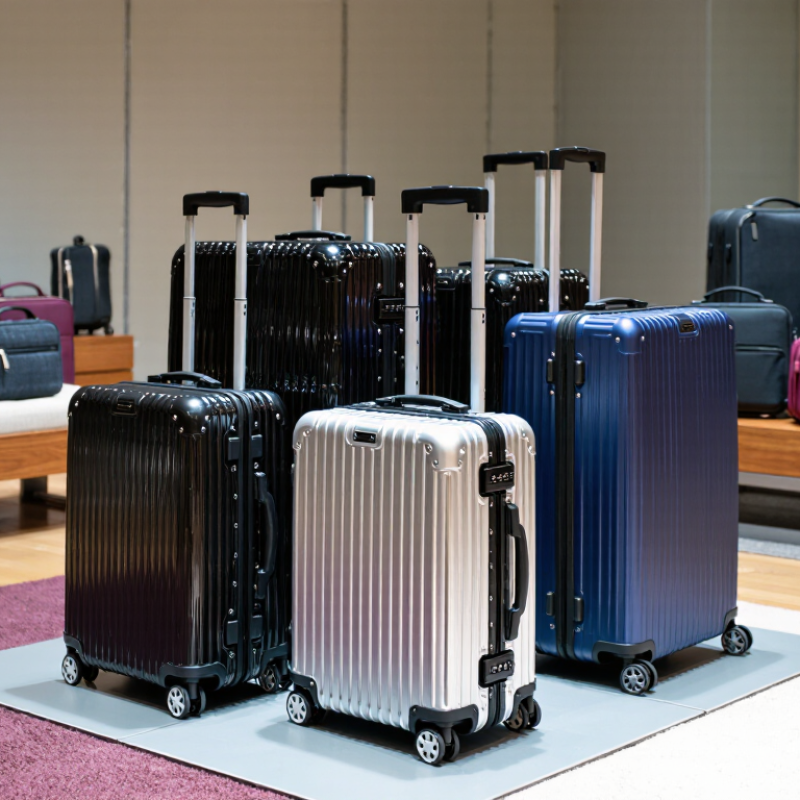
Luggage designer and travel-gear specialist Michael Young once remarked, “Good luggage should protect the journey, not distract from it.” This simple idea remains useful when comparing Chinese manufacturers and suppliers. Fancy Hand Luggage must balance visual character with practical performance. Glossy shells may look impressive under showroom lighting, yet scratches can appear quickly during real travel.

Reliable suppliers should explain their materials, testing procedures, production capacity, and quality-control steps. They should also provide clear samples before large orders begin. Certifications and test reports deserve careful review. They are not perfect guarantees, but they improve purchasing confidence.

This guide examines leading Chinese manufacturers through design capability, workmanship, customization, communication, and delivery reliability. It also considers weaknesses, because no factory performs perfectly in every category. Some suppliers offer excellent styling but limited after-sales support. Others provide strong production efficiency but fewer original design options.

That distinction matters. A beautiful suitcase can still disappoint. Careful comparison helps buyers choose Fancy Hand Luggage that looks refined, travels steadily, and supports a dependable long-term business relationship.
China Top Fancy Hand Luggage Manufacturers and Suppliers

China’s Luggage Manufacturing Base: 2023 IATA Mishandling Rate of 6.9‰

China’s luggage manufacturing base supports a wide range of fancy hand luggage manufacturers and suppliers. Its strength comes from concentrated supply chains, skilled assembly teams, and access to materials such as aluminum frames, polycarbonate shells, leather trims, and precision wheels.

The 2023 IATA baggage mishandling rate was 6.9‰, or about 6.9 bags per 1,000 passengers. This figure reflects the air transport process, not factory defect rates. Still, it gives manufacturers a useful quality benchmark. Reliable suppliers test wheel movement, handle locking, zipper strength, shell impact resistance, and stitching consistency before shipment. Small details matter. A loose wheel can become a serious inconvenience beside a crowded airport conveyor.

Factory inspections should also check dimensions, weight balance, and protective packaging. These factors influence how hand luggage performs during loading and transfer. Traceable production records improve accountability when a problem appears. Independent testing can add confidence, especially for export orders with strict buyer specifications.

However, a premium appearance does not guarantee perfect performance. A glossy shell may hide weak corner protection. A smooth handle may loosen after repeated use. This is where practical sampling and repeated stress testing remain necessary. The 6.9‰ industry rate also reminds buyers that baggage handling involves many external variables. Even excellent luggage can face rough transfers, delayed connections, or inaccurate tags. Suppliers should communicate these limits honestly while improving design, inspection, and after-sales responsiveness.

Fancy Hand Luggage Categories: Materials, Sizes, and Cabin Limits

Fancy hand luggage now combines visual polish with measurable travel performance. Polycarbonate shells offer low weight and impact resistance, while aluminum provides a rigid, premium feel but adds mass. Recycled nylon and coated canvas suit soft-sided designs, especially when front pockets and flexible expansion matter. Genuine leather looks refined, yet it needs careful maintenance and can become heavy. The material choice should match the traveler’s handling habits, not only showroom appearance.

Sizes usually fall into personal-item, compact cabin, and standard cabin categories. A compact case may fit beneath a seat, while a standard cabin case often measures about 55 × 40 × 20 centimeters. Weight allowances commonly range from 7 to 10 kilograms, but airlines set different rules. IATA confirms that cabin baggage dimensions are not globally standardized, so manufacturers should publish measurements including wheels and handles. I would not trust a size chart that excludes them.

Designers also need to consider real airport handling. SITA’s 2024 Baggage IT Insights reported 6.9 mishandled bags per 1,000 passengers in 2023, showing that luggage still faces rough systems and crowded transfers. Reinforced corners, replaceable wheels, and secure telescopic handles can reduce practical failures. Expansion zippers create useful capacity, but they may push a case beyond cabin limits. That detail is easy to overlook. Fancy luggage should remain elegant after packing, not only before it.

How to Evaluate China’s Top Manufacturers by MOQ, Capacity, and QC

Evaluating China’s top fancy hand luggage manufacturers starts with MOQ, not glossy photographs. Ask whether the quoted MOQ applies per color, size, or complete order. A supplier offering 300 pieces may require 300 pieces for every finish. Request a written production schedule, including sampling, material purchasing, assembly, and final inspection. Experienced buyers should compare two or three factories using the same specification sheet. This reveals hidden differences in price and lead time. Capacity is more than a monthly number. Check active production lines, skilled stitching teams, and peak-season output. A factory may claim 50,000 cases monthly, yet deliver far less during holiday demand.

Quality control should be visible and measurable. Ask for material certificates, wheel-cycle results, handle pull tests, zipper checks, and carton drop testing. Review an inspection standard with acceptable defect limits before placing an order. During a factory visit, examine edge finishing, lining tension, screw alignment, and dust protection. Keep one approved sample as the physical reference. Photos help, but they cannot confirm shell strength or wheel noise. Independent pre-shipment inspections add confidence, although they increase cost. That trade-off deserves honest consideration.

Tips: Request a small pilot order before scaling. Track defect rates, packing accuracy, and actual lead time. Check factory licenses and export experience through verifiable records. Ask who controls subcontracting. It matters. No assessment is perfect; even a careful audit can miss rushed work or changing staff. Recheck quality on repeat orders, especially after design changes. A reliable manufacturer explains problems early, documents corrective action, and accepts reasonable scrutiny without vague promises.

Supplier Compliance: GB/T 29185 and ISO 9001 Quality Benchmarks

China’s top fancy hand luggage manufacturers should prove quality through documented systems, not polished showroom samples. GB/T 29185 and ISO 9001 provide useful benchmarks for supplier evaluation. However, buyers should verify the applicable GB/T 29185 edition and certification scope. A certificate alone does not guarantee every suitcase meets the same requirements.

An experienced supplier should show controlled drawings, approved material records, and inspection procedures. Auditors can examine shell thickness, wheel alignment, handle strength, zipper movement, and lining attachment. Each batch should carry traceable records, from incoming fabric to final carton packing. ISO 9001 supports this process through corrective actions, internal audits, and measured production controls. Ask how defects are recorded, not merely whether a quality manual exists.

Fancy details still need practical testing. A gold-tone frame may look attractive, yet uneven plating can appear after repeated handling. A quiet wheel should remain stable on rough flooring. Suppliers should provide test samples and explain failure limits clearly. No factory is perfect. One shipment may reveal loose stitching or a slight color mismatch. Reliable teams document the problem, investigate its cause, and adjust production instead of hiding it. That response shows real experience. It also deserves closer review.

OEM Pricing, Lead Times, Export Markets, and Supplier Selection Criteria

China Top Fancy Hand Luggage Manufacturers and Suppliers

China remains a major sourcing base for premium carry-on luggage and fashion-oriented travel cases. Grand View Research valued the global luggage market at approximately USD 36.4 billion in 2023. Its report also forecasts strong growth through 2030, supported by travel recovery and rising online sales. Suppliers usually quote OEM prices between USD 18 and USD 42 per piece for 500 to 1,000 units. Polycarbonate shells, aluminum frames, custom lining, and metal hardware can raise costs quickly. The lowest quote is rarely the safest choice.

Lead times commonly range from 35 to 60 days after sample approval. Tooling may require another 10 to 20 days. Ask for a written timeline covering material purchasing, production, inspection, and export loading. A small delay in zipper or wheel supply can affect the entire shipment. This happens more often than buyers expect. Sample testing should include wheel endurance, handle pull strength, drop resistance, and zipper cycling. ISO 2023 luggage testing guidance can help create a clearer inspection checklist, although factories may interpret requirements differently.

Export experience also matters. ITC Trade Map records China as a leading exporter under HS 4202, which includes travel goods and luggage. Request recent destination markets, not vague claims such as “worldwide shipping.” Evaluate factory audits, production capacity, carton dimensions, defect rates, payment terms, and after-sales response. Confirm whether the supplier owns production lines or mainly coordinates subcontractors. That distinction can change lead times, quality control, and OEM pricing. An honest supplier should disclose limitations, including seasonal capacity pressure and minimum order quantities.

FAQS

Which materials suit fancy hand luggage best?

Polycarbonate keeps cases light and resists common impacts. Aluminum feels rigid, but it adds noticeable weight. Recycled nylon and coated canvas allow flexible pockets. Leather looks refined, yet it needs regular care. Choose handling comfort over showroom shine. Looks can mislead.

What cabin size should buyers consider?

Common categories include personal items, compact cases, and standard cabin cases. A standard case may measure about 55 × 40 × 20 centimeters. Measurements should include wheels and handles. Airlines often allow 7 to 10 kilograms. Rules vary widely. Check the exact carrier limits.

Can expansion features create travel problems?

Expansion zippers add useful space during longer trips. However, expansion may push the case beyond cabin limits. Measure the fully expanded case before departure. A packed case can look elegant but fail at the gate. I might overlook this too.

Which features help luggage survive airport handling?

Reinforced corners protect vulnerable shell areas during rough movement. Replaceable wheels can reduce long-term repair costs. Secure telescopic handles should resist pulling and twisting. Smooth wheels must remain stable on uneven flooring. Test practical strength, not only appearance.

How can buyers evaluate supplier quality systems?

Ask for controlled drawings, approved material records, and inspection procedures. Review shell thickness, wheel alignment, handle strength, zippers, and lining attachment. Batch records should trace materials through carton packing. A certificate alone proves very little. Details matter more.

What testing should a sample receive?

Test wheel endurance, handle pulling, drop resistance, and repeated zipper movement. Examine decorative plating after repeated handling. Check stitching near pockets and corners. Record failure limits clearly. One sample cannot reveal everything.

What price and lead time should buyers expect?

For larger orders, quoted prices may range from 18 to 42 dollars per piece. Aluminum frames, custom lining, and metal hardware can increase costs quickly. Production commonly takes 35 to 60 days after sample approval. Tooling may require another 10 to 20 days. Cheap quotes deserve careful questions.

How should buyers assess an export supplier?

Request recent destination markets and written production timelines. Check factory audits, capacity, carton dimensions, defect rates, payment terms, and after-sales response. Ask whether the supplier owns production lines or uses subcontractors. Confirm minimum order quantities early. Seasonal pressure can change everything. Be realistic.

Conclusion

China has become a major manufacturing base for Fancy Hand Luggage, supported by broad production capacity, flexible customization, and established export experience. With the 2023 IATA mishandling rate reported at 6.9‰, buyers should pay close attention to product durability, packaging, and transport protection. Key categories include leather, recycled fabric, polycarbonate, and aluminum cases in different sizes, with cabin models designed to meet airline-specific limits. Careful evaluation should cover minimum order quantities, monthly capacity, sample quality, inspection procedures, and production consistency.

Reliable suppliers should demonstrate structured quality management aligned with ISO 9001 and relevant GB/T 29185 benchmarks. Buyers should also compare OEM pricing, tooling or development costs, lead times, payment terms, export destinations, and after-sales support. A suitable partner can provide clear specifications, stable materials, traceable inspections, secure packaging, and realistic delivery schedules. Selecting suppliers through samples, factory audits, and documented quality standards helps reduce purchasing risks while supporting efficient customization for different markets.


Oliver

Oliver

Oliver is a seasoned marketing professional with a wealth of expertise in driving brand awareness and engagement. With a deep understanding of our company's product offerings, he consistently delivers high-quality content that enriches our professional blog. His insights not only shed light on......