An Expensive Trolley Bag is more than a suitcase with a luxury logo. It combines materials, engineering, repair support, and a carefully controlled travel experience. Its price may reflect aluminum shells, reinforced corners, quiet wheels, precision handles, and tested interior systems. Yet a higher price does not automatically guarantee better performance.
Doug Dyment, founder of OneBag.com and a respected voice in practical luggage selection, has said, “The best bag is the one you don’t have to think about.” That principle offers a useful test. An expensive trolley bag should roll smoothly across cracked pavement, fit neatly beside an airplane seat, and survive repeated loading without constant adjustment. Small details matter. A handle that wobbles feels cheap. A wheel that catches becomes irritating quickly.
Still, luxury luggage has limits. A premium shell can scratch. A beautiful finish can show airport wear after one journey. That is not failure, but it deserves honest attention. Buyers should compare weight, warranty terms, wheel replacement, storage design, and real travel experience. Status is part of the appeal, perhaps. It should not be the entire reason.
This guide examines what truly makes an Expensive Trolley Bag expensive, valuable, and suitable for frequent travelers. It also questions whether craftsmanship, durability, and convenience justify the final cost.
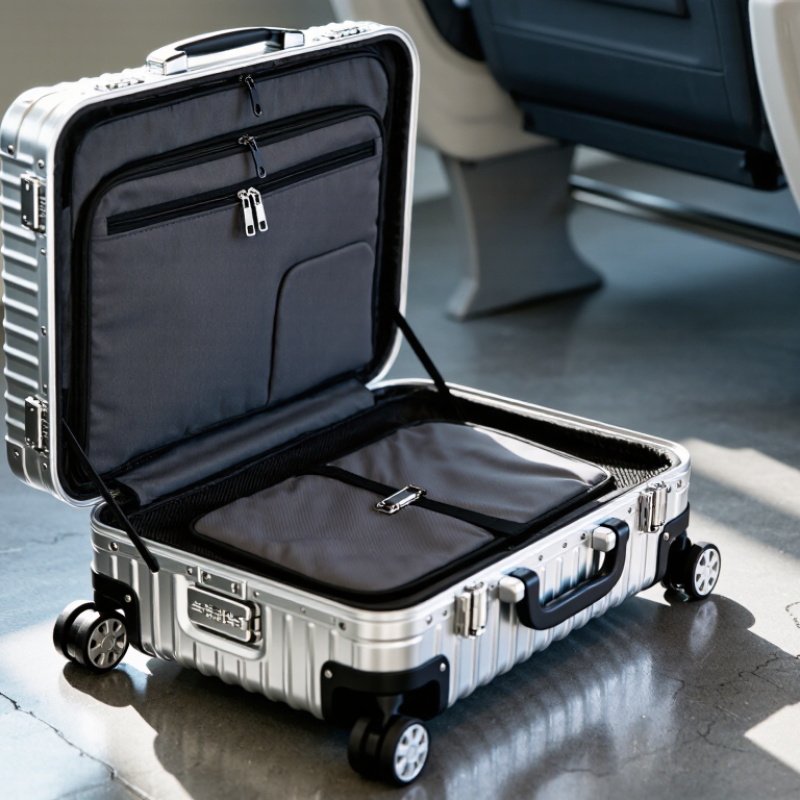
An expensive trolley bag has no universal price cutoff. A bag that feels costly to one traveler may seem reasonable to another, depending on budget, travel habits, and expectations. Price alone tells you little. A better judgment comes from looking at the materials, construction, repair options, and how comfortably the bag handles your usual trips.
Check details you can see and test. Do the wheels roll smoothly over a pavement seam? Does the handle lock firmly without wobbling? Are the corners reinforced, and do the zippers move without catching? These small checks matter more than a polished product description. A sturdy frame and replaceable parts may justify a higher price if you travel often. For occasional trips, that same investment may not pay off. It depends.
Weight the bag when empty, too. A heavy case can leave less room for your belongings under airline weight limits, while a lighter one may show wear sooner. Neither trade-off is automatically wrong. Even careful shoppers can overvalue a premium finish and overlook a difficult-to-repair wheel. Ask what the extra cost actually provides, and compare those features with the conditions you face: crowded stations, uneven sidewalks, or frequent stairs. An expensive trolley bag is best defined by useful quality and lasting performance, not by a number on a price tag.
A premium trolley bag can cost more than US$1,000, especially in luxury luggage segments. This price usually reflects more than appearance. Designers may use lightweight aluminum, reinforced polycarbonate, full-grain leather, or carefully finished textile panels. A stronger telescopic handle and smoother wheels also affect the final cost.
Look closely at the details. The handle should extend without scraping or excessive movement. Wheels should roll quietly across airport floors and uneven sidewalks. Zippers need consistent tension, while corners should resist visible impact marks. Some high-priced models include replaceable wheels, repair services, and longer warranties. These practical benefits can matter more than decorative hardware.
A trolley costing US$1,000 or more is not automatically better for every traveler. A frequent flyer may value a rigid shell and reliable wheels. A light packer may prefer a softer, smaller case. Interior lining, storage layout, and empty weight deserve equal attention. An expensive bag that becomes too heavy can reduce convenience.
There is also a less comfortable truth. Luxury pricing may include craftsmanship, testing, distribution, and exclusivity. It can also include prestige. That does not always improve durability. Before buying, compare warranty terms, repair access, dimensions, and airline size limits. Check the handle, wheel housing, and stitching in person when possible. Product descriptions can sound impressive, but daily handling reveals more.
An expensive trolley bag is defined by engineering, not price alone. Its shell should resist impact, flexing, and repeated temperature changes. Polycarbonate absorbs sudden knocks better than many rigid plastics, while aluminium offers strong edges but adds weight. The International Aluminium Institute reports that recycled aluminium needs about 5% of the energy required for primary production. That matters when durability and environmental performance are both considered.
Wheels reveal quality quickly. Larger, sealed wheels usually roll more smoothly over uneven pavement. Their bearings should be replaceable, not permanently moulded into the housing. SITA’s 2023 Baggage IT Insights report recorded 6.9 mishandled bags per 1,000 passengers worldwide. A rough airport journey is not unusual. Wheel mounts therefore need reinforced screws, clean alignment, and accessible parts. A thick shell cannot compensate for a weak axle.
The handle should move without grinding or side-to-side wobble. Aluminium tubes are light, but poor joints can still bend. Check the locking pins, fasteners, and internal access before buying. Repairability is the overlooked test. Can a technician replace a wheel, handle, corner guard, or lining with standard tools? Some premium cases look almost indestructible, yet hide glued components. That is a design weakness. I would also question a very heavy shell, because protection can reduce usable capacity and increase lifting strain. Price suggests quality, but inspection proves it.
A costly trolley bag is not defined by its price tag alone. It should offer dependable construction, smooth movement, and practical cabin dimensions. IATA commonly recommends a cabin-bag benchmark of 56 × 45 × 25 cm. However, airlines may apply different limits, so travelers should check current carrier rules before departure.
I have measured cabin bags on a luggage scale and noticed small details matter. Wheels, handles, and outer pockets can increase the final size. A bag that fits an empty measuring frame may become difficult when fully packed. That is a common mistake. Leave a little space inside, especially near the zipper and side panels.
Material quality also affects value. A rigid shell should resist light impacts without becoming excessively heavy. A soft-sided bag should have firm stitching and a stable frame. The handle should extend without wobbling, while the wheels should roll quietly across tile and carpet. These features suggest careful engineering, but they do not guarantee perfection.
Price can also reflect repair support, testing standards, and interior organization. It should not replace measurement. I prefer checking dimensions, weight, wheel clearance, and warranty terms together. A premium trolley bag may feel refined in a showroom, yet become awkward on stairs or crowded trains. That practical test is often missing. Even the best-designed cabin bag deserves a personal fit check before purchase.
What Is an Expensive Trolley Bag?
Ownership Value: Compare Warranty Coverage with Airline Size and Weight Rules
An expensive trolley bag earns its price through useful protection, not just a polished shell. Check what the warranty actually covers: wheels, handles, zippers, and the frame may have different terms. Ask whether damage from ordinary travel is included, and whether repairs require sending the bag away. A long warranty sounds reassuring. The details matter more. A bag that is difficult to repair can still cost you time and money.
Airline size and weight limits affect value every time you travel. Measure the packed bag, including wheels and handles, rather than relying only on listed dimensions. A sturdy frame and smooth-rolling wheels feel reassuring on a station floor, but extra materials can add weight before you pack a single shirt. Rules vary by airline and route, so check your carrier’s current allowance before buying. I once focused too much on shell strength and overlooked empty weight. That was not my best comparison.
Tips: Compare the bag’s empty weight with its usable capacity. Read warranty exclusions before checkout, and keep your receipt. Pack it with your usual items, then check the total weight and exterior dimensions. A small mismatch can matter at the gate.
| Comparison point | Lower-cost trolley bag | Expensive trolley bag | Ownership-value check |
|---|---|---|---|
| Price reference | Often positioned below about US$150; prices vary by size, materials, and retailer. | For this comparison, about US$250 or more is treated as expensive. There is no universal price threshold. | Compare the same size and features, and include likely repair or replacement costs—not just the purchase price. |
| Warranty period | Coverage may be limited or shorter; the exact term depends on the product’s written warranty. | Some premium products advertise longer coverage, but a higher price does not guarantee a longer or more useful warranty. | Check the written term, who pays shipping, whether proof of purchase is required, and whether repair or replacement is offered. |
| What warranty coverage may include | Manufacturing defects in materials or workmanship may be covered, subject to the warranty terms. | Coverage may include specified defects or repairs; terms can still exclude common travel damage. | Read exclusions carefully. Normal wear, misuse, and damage caused by an airline are commonly treated differently from manufacturing defects. |
| Common cabin-size examples | Published cabin-bag limits vary. Examples used by some carriers include 22 × 14 × 9 in (about 56 × 36 × 23 cm) and 55 × 40 × 20 cm. | Measure the bag including wheels, handles, and other protrusions. Confirm the current limit for each flight and fare. | |
| Cabin weight rules | Where a cabin-bag weight limit applies, limits around 7–10 kg are common examples; other carriers may use different rules or publish no cabin-bag weight cap. | Weigh the packed bag, not just the empty bag. A heavy case can leave less allowance for belongings when a limit applies. | |
| Checked-bag allowance | Checked-baggage weight and size allowances depend on the airline, route, ticket, and fare. A 23 kg allowance is used on some itineraries, but is not universal. | Check the ticket’s allowance before travel. Oversize or overweight fees can outweigh the value of extra bag features. | |
| Best indicator of value | A sensible choice when it fits your trips and replacement cost is acceptable. | Can be worthwhile if its useful warranty, repair options, durability, and features justify the extra cost. | Prioritize a compliant size and weight, then compare warranty exclusions and realistic repair support. |
Note: Price bands and warranty terms are product-dependent, and airline baggage rules can change. Verify the current policy for your specific flight before purchasing or travelling.
Price may reflect materials, construction, testing, repair support, and exclusivity. Prestige can add cost without improving durability.
Some use lightweight aluminum, reinforced polycarbonate, full-grain leather, or finished textile panels. Material alone does not guarantee quality.
Extend the handle and check for scraping or wobbling. Roll the wheels over tile and uneven ground; they should move smoothly.
The benchmark is 56 × 45 × 25 cm. Airlines may set different limits, so check your carrier’s current rules.
Wheels, handles, and outer pockets add to its size. A full bag may bulge near the zipper. Leave some room.
No. A frequent flyer may value durable wheels, while a light packer may prefer a smaller, lighter case. Price is not proof.
Replaceable wheels, accessible repairs, and clear warranty terms can be useful. Check the actual service conditions before buying.
Check weight, stitching, frame stability, and resistance to light impacts. Neither style is perfect for every trip.
Check dimensions, empty weight, wheel clearance, handle movement, and warranty terms. Try lifting it and taking it up stairs. A showroom feel can mislead.
An Expensive Trolley Bag has no universal price cutoff: what counts as expensive depends on your budget, travel needs, and expectations for quality. Premium models may cost more than US$1,000, but a high price alone does not guarantee a better fit. Compare practical features such as shell materials, wheel smoothness and durability, handle construction, and whether parts can be repaired or replaced.
To judge long-term value, consider how well a trolley bag suits your trips, not just its purchase price. For cabin luggage, the IATA-recommended dimensions of 56 × 45 × 25 cm offer a useful reference, though airline size and weight rules can vary. Check warranty coverage and its limitations alongside those requirements. A well-chosen bag balances durable construction, convenient handling, repairability, and travel compatibility with the total cost of ownership.

Da Bai Luxury