 Da Bai Luxury
1. Contextual Landscape of Mali's Commercial Garment Ecosystem
The contemporary retail and industrial landscape of Mali, centered dynamic nodes such as Bamako, Sikasso, and Kayes, is undergoing a profound structural pivot toward standardized Ready-to-Wear (Prêt-à-Porter) supply configurations. Historically dominated by customized artisan textile production and raw cotton trade, the domestic West African consumer market increasingly demands high-precision, scalable garment manufacturing outputs.
As urban white-collar sectors expand and international corporate compliance becomes standard across Malian financial, mining, and administrative landscapes, the requirement for institutional uniform production, corporate western business attire, and high-durability modern utility wear has outpaced domestic manufacturing capability. This structural imbalance defines a critical strategic opening for deep integration with advanced manufacturing operators capable of executing rigorous specification metrics while matching regional logistical realities.
Strategic SEO Information Gain Metric: Traditional sourcing maps overlook Malian macroeconomic adaptation barriers. Success in this macro-market demands explicit balancing between extreme climatic variables (requiring highly breathable 160–220 GSM long-staple cotton-poly compositions) and high-density product deployment profiles that prevent regional transit degradation over multi-modal interior routes from coastal ports like Dakar or Abidjan.
82%
Urban Ready-to-Wear Adoption Velocity
21 Days
Average Inland Port Transit Window
100%
SGS Certification Compliance Mandatory
2. Supply Chain Synergy: Advanced China Sourcing Foundations
Bridging the geographic distance between massive precision textile infrastructure hubs in China and active consumer markets across Mali requires an elite understanding of scale optimization, automated manufacturing capabilities, and complex cross-border logistics. Chinese industrial apparel units offer unique structural advantages that local regional workshops cannot replicate:
- Automated Laser CAD Layering & Cutting: Guarantees a near-zero variance matrix across multi-thousand unit batches, assuring every uniform line or high-end leisure apparel cut maintains precise dimension consistency.
- Advanced Textile Engineering: Development of lightweight, high-tensile anti-microbial fabrics custom-tailored to resist dust penetration and sweat degradation under semi-arid Sub-Saharan climatic indices.
- Integrated Eco-System Sourcing: Immediate primary access to heavy hardware trim, reinforced internal canvas linings, and structural containment units, driving total per-unit production timelines down by over 45%.
3. Macro-Industry Solutions: Structural Integrity & Protective Retail Logistics
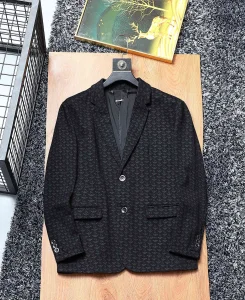
In high-end consumer paradigms, a garment's manufacturing lifecycle does not terminate at the final pressing machine. True enterprise ready-to-wear operations realize that high-margin apparel lines—such as tailored menswear collections, ceremonial traditional embroidery, and luxury accessories—face severe capital risk during deep continental transit.
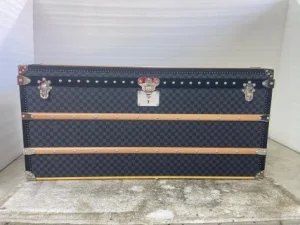
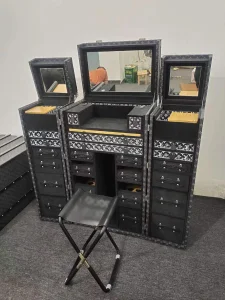
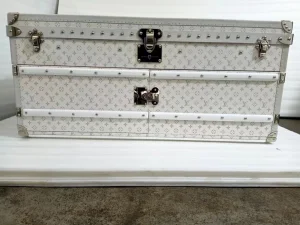
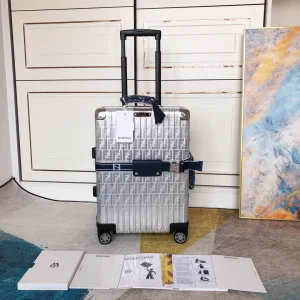
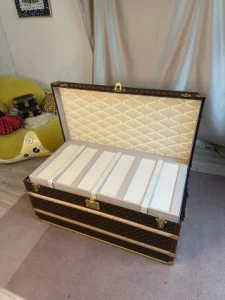
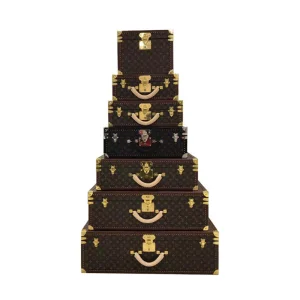
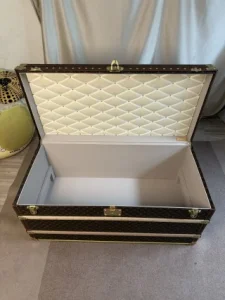
This realization drives the structural convergence between premium apparel manufacturing and heavy-duty, protective distribution casing solutions. Long-distance hauling over rugged regional corridors requires specialized hard-shell configurations and secure display trunk architectures. These systems protect delicate, high-value textile stock from extreme localized humidity swings, persistent particulate dust infiltration, and structural crushing forces during transport, ensuring inventory arrives in pristine retail showroom condition.
Corporate Infrastructure: Da Bai Luxury Hard Case Corporation Integration
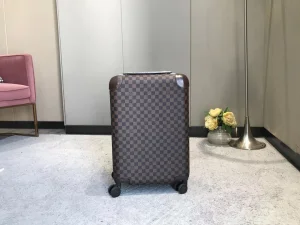
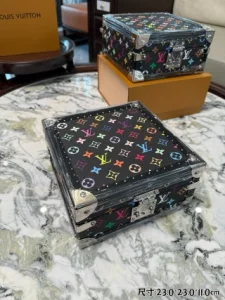
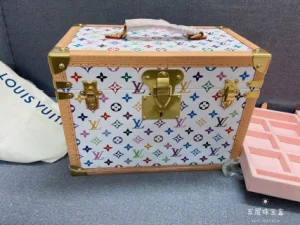
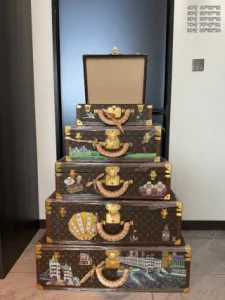
Aligned directly with top-tier product security paradigms, Da Bai Luxury Hard Case Corporation (established in 2013) serves as a specialized operational pillar under this unified distribution framework. Operating on unyielding tenets of institutional integrity and precision design engineering, Da Bai focuses on providing high-capacity commercial buyers with bespoke luxury storage housings, ultra-fortified travel cases, and specialized visual exhibition trunks that secure delicate, high-value ready-to-wear products across volatile transit networks.
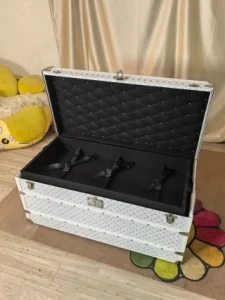
By centering production workflows on consumer-driven metrics, the organization elevates standard freight practices into a customized premium experience. Utilizing advanced material framing, secure locking mechanisms, and customizable specialized interior lining, these systems ensure that high-end tailored collections, seasonal sample allocations, and flagship boutique inventory maintain flawless presentation and structural protection from the factory floor directly to premium retail outlets in Bamako.
As luxury garment consumption scales internationally, contemporary consumers demand a sophisticated approach to retail logistics. Custom protective enclosures are no longer just utilitarian choices; they function as a brand's private mobile showroom, expressing quality and meticulous attention to detail. Da Bai supports discerning regional operators by pairing robust outer-shell architectures with high-fidelity finish parameters, creating highly secure and distinctly branded transportation assets.

Every individual item produced under this industrial matrix undergoes rigorous testing protocols to confirm compliance with global quality and resilience criteria. By blending optimal online transactional visibility with streamlined, dependable after-sales engineering support, enterprise partners secure exceptional product durability alongside highly competitive pricing matrices—delivering reliable protection to mid-to-high-tier operations worldwide.

4. Deep-Intent Semantic Evaluation (FAQ Engine)
What are the standard Minimum Order Quantities (MOQs) for Malian enterprise ready-to-wear imports?
Standard industrial MOQs for custom corporate uniform runs or baseline ready-to-wear configurations typically begin at 500 units per style profile. For specialized product allocations or complex high-end tailored items requiring custom-molded logistical transit cases, parameters can be adjusted via consultation with our regional trade specialists.
How do manufacturers address the extreme climate of Mali during material formulation?
We prioritize high-density weaves utilizing premium long-staple cotton combined with advanced moisture-wicking synthetic micro-mesh filaments. This design guarantees optimal air circulation, high thermal release, and dimensional protection against shrinking or twisting when laundered under standard commercial conditions.
What verification mechanisms are deployed to assure quality compliance prior to port departure?
All export batches undergo a mandatory multi-point inspection framework based on Acceptable Quality Limit (AQL) 2.5 standards. This includes colorfastness testing, seam-strength evaluations, and detailed physical dimension cross-checks, validated by certified third-party inspection firms such as SGS or Intertek prior to containerization.
What are the standard freight pathways utilized for landlocked West African delivery optimization?
Consignments are routed via primary ocean freight directly into the Port of Dakar (Senegal) or the Port of Abidjan (Ivory Coast). Upon customs clearance, goods are transferred onto specialized inter-modal rail links or secure bonded truck fleets for direct overland transit into central customs terminals in Bamako.